The Posture Blog
Evidence-based articles on posture correction, sport-specific pain, and corrective Method, written by Mike Boshnack.
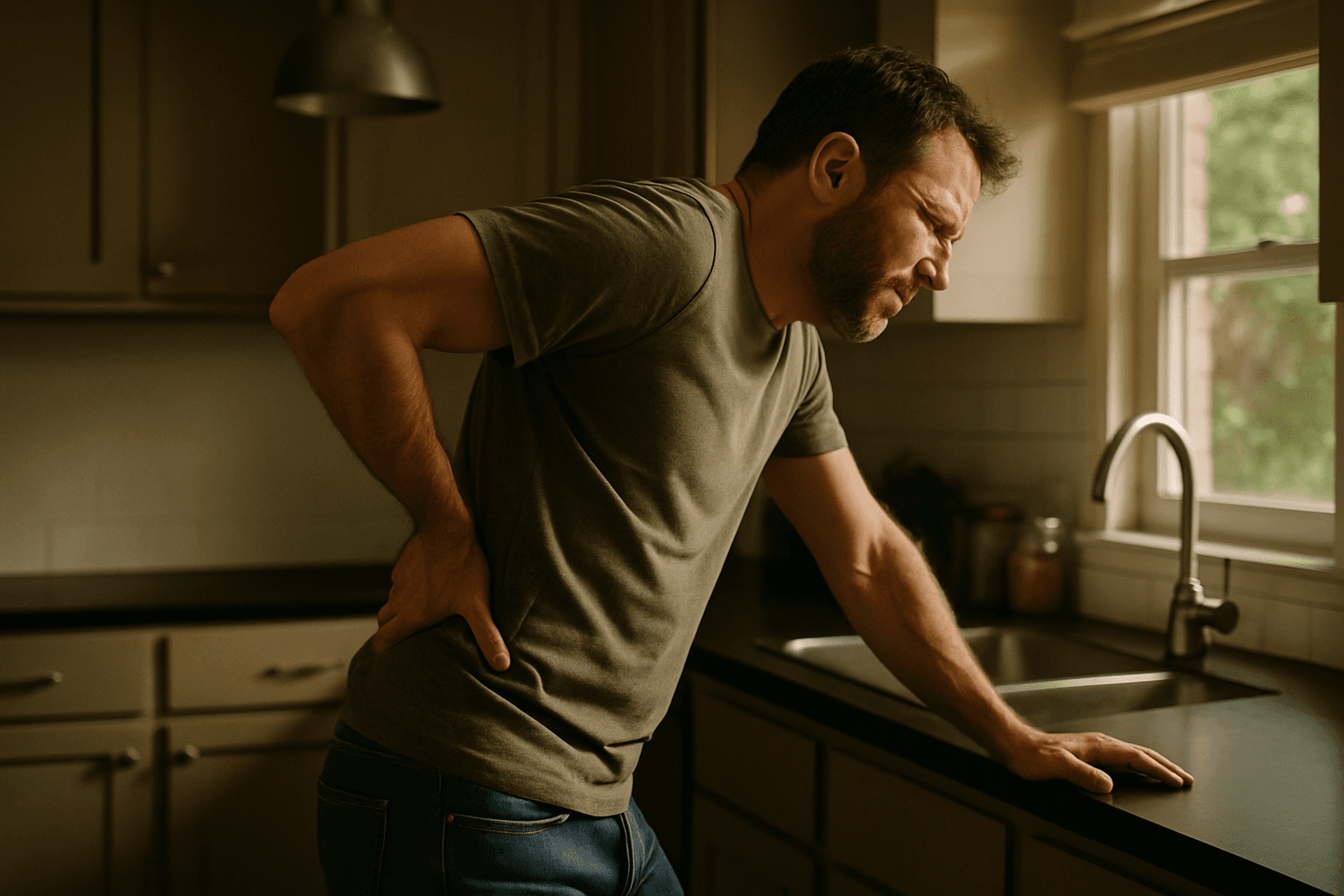
Why Your Lower Back Hurts When You Stand Too Long
Lower back pain from standing is almost always an anterior pelvic tilt problem, not a standing problem. Understanding the structural reason explains why standing desks help some people and make things worse for others.
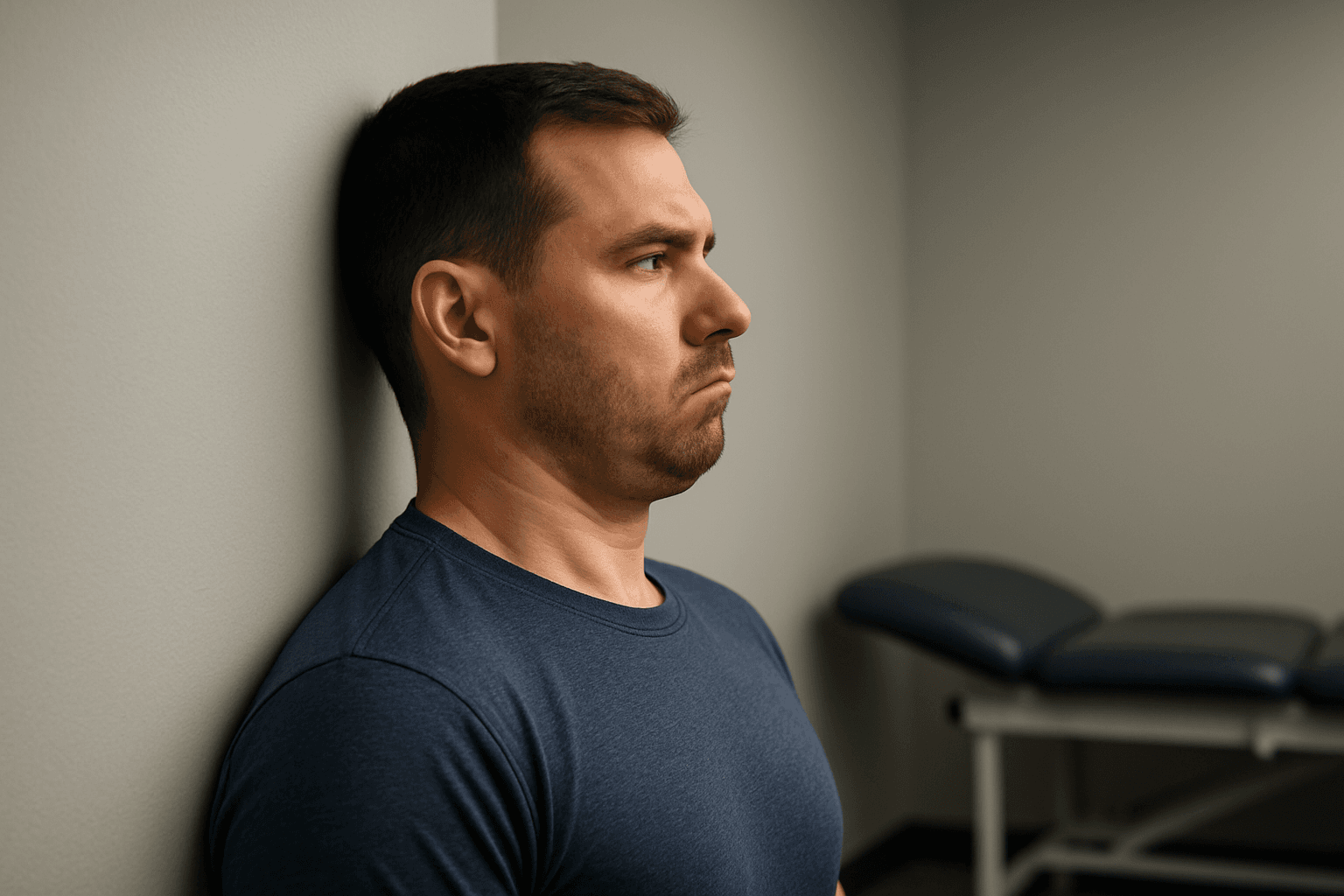
The Best Exercises for Neck Pain Relief (and the Ones That Make It Worse)
Most neck pain exercises treat the neck in isolation. The neck is the end of a postural chain. Exercises that ignore the thoracic spine and hip flexors are why most neck pain programs produce temporary relief at best.

Posture for Gamers: Why Long Sessions Destroy Your Body and How to Fix It
Gaming posture is one of the most structurally damaging sitting patterns in existence. The combination of forward head, rounded shoulders, hip flexor compression, and wrist loading creates a full-body postural collapse. Here is what to do about it.

Why Your Headaches Are a Posture Problem
Cervicogenic headaches, tension headaches, and even some migraines have a structural component that standard headache treatments do not address. If your headaches are not responding to medication or usual care, the problem may be in your neck and thoracic spine.
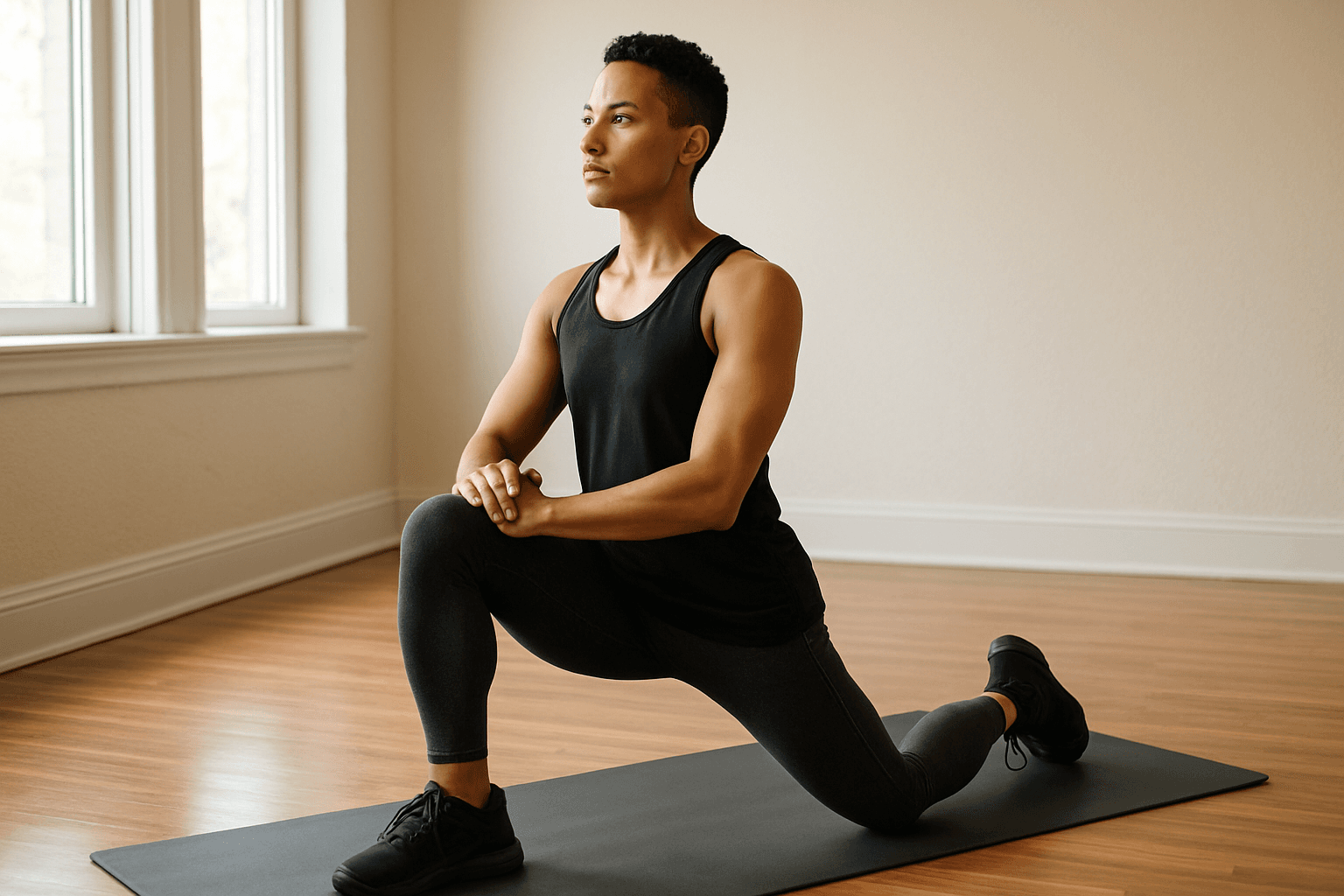
Why Stretching Your Hip Flexors Does Not Work (And What Does)
Tight hip flexors are one of the most common complaints in adults. Stretching provides brief relief and the tightness returns within hours. The reason is that hip flexor tightness is a symptom of a structural pattern, not a tissue problem.
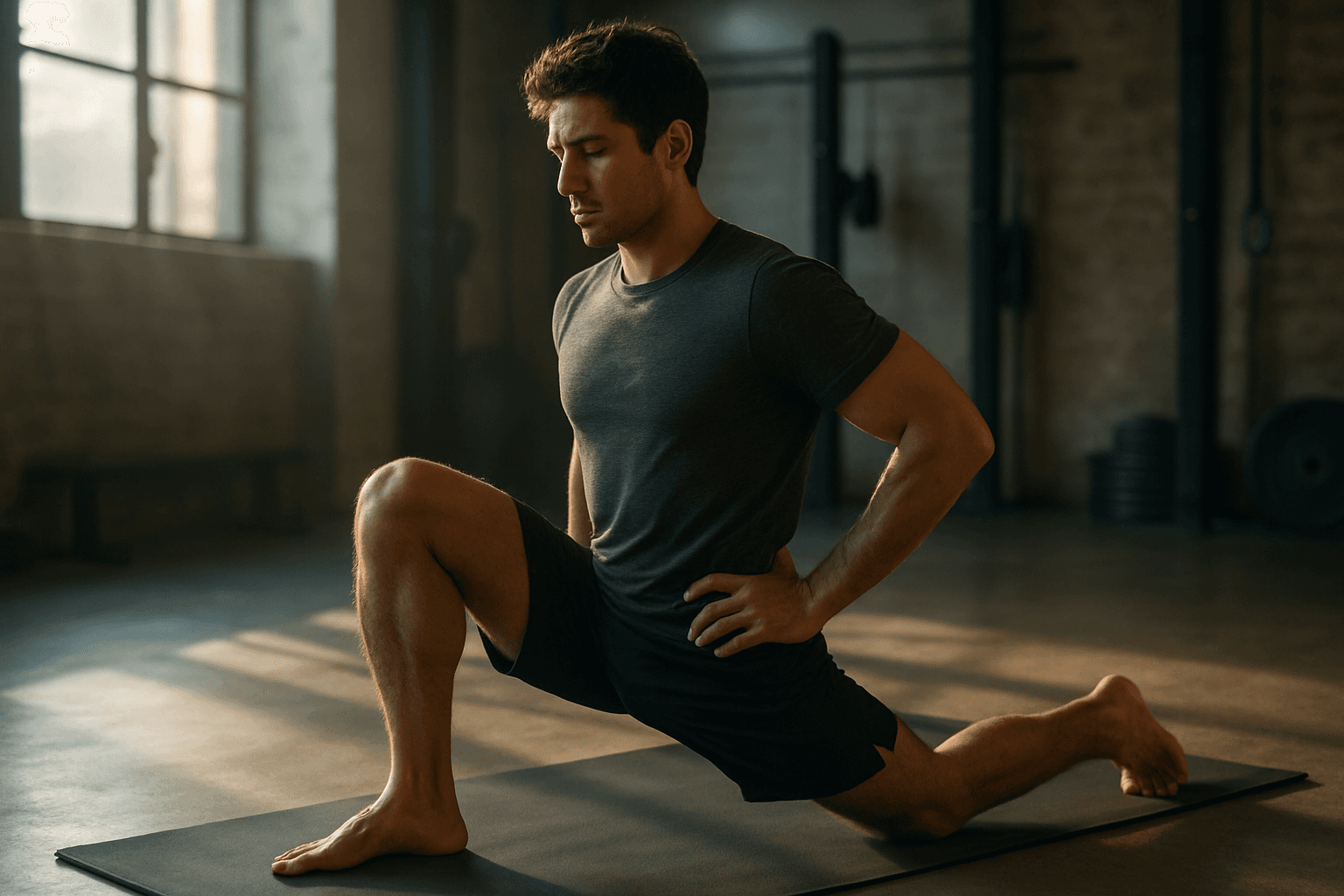
Plantar Fasciitis Is a Hip Problem: Why Your Heel Pain Keeps Coming Back
Plantar fasciitis is almost always treated at the foot with stretching, orthotics, and rest. It keeps coming back because the foot is not the cause. The cause is almost always higher up the kinetic chain.
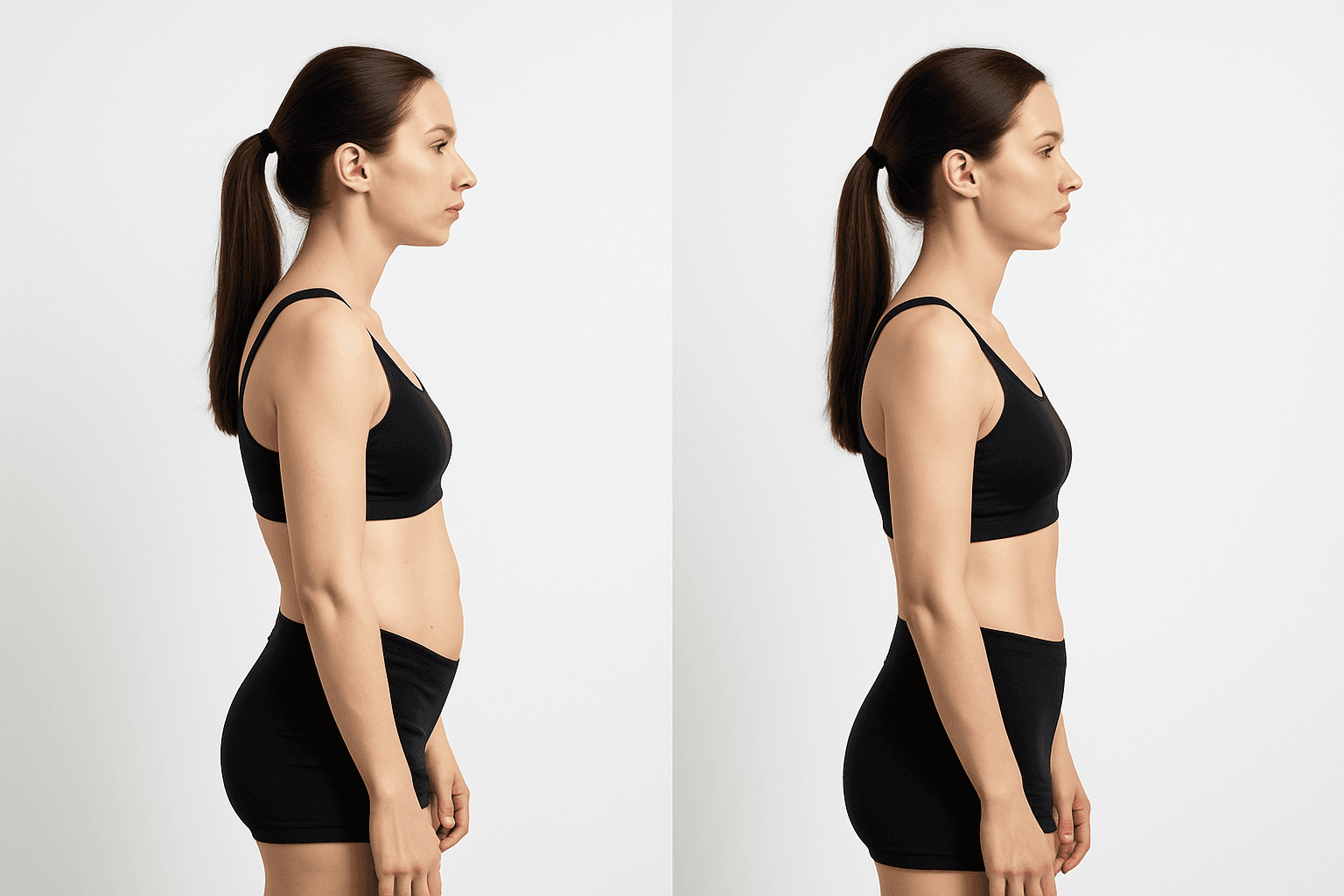
Lower Cross Syndrome: The Pattern Behind Most Chronic Lower Back Pain
Lower cross syndrome is the lower body equivalent of upper cross syndrome, and it is the structural pattern behind most chronic lower back pain, hip tightness, and glute inhibition. Understanding it changes how you approach treatment.
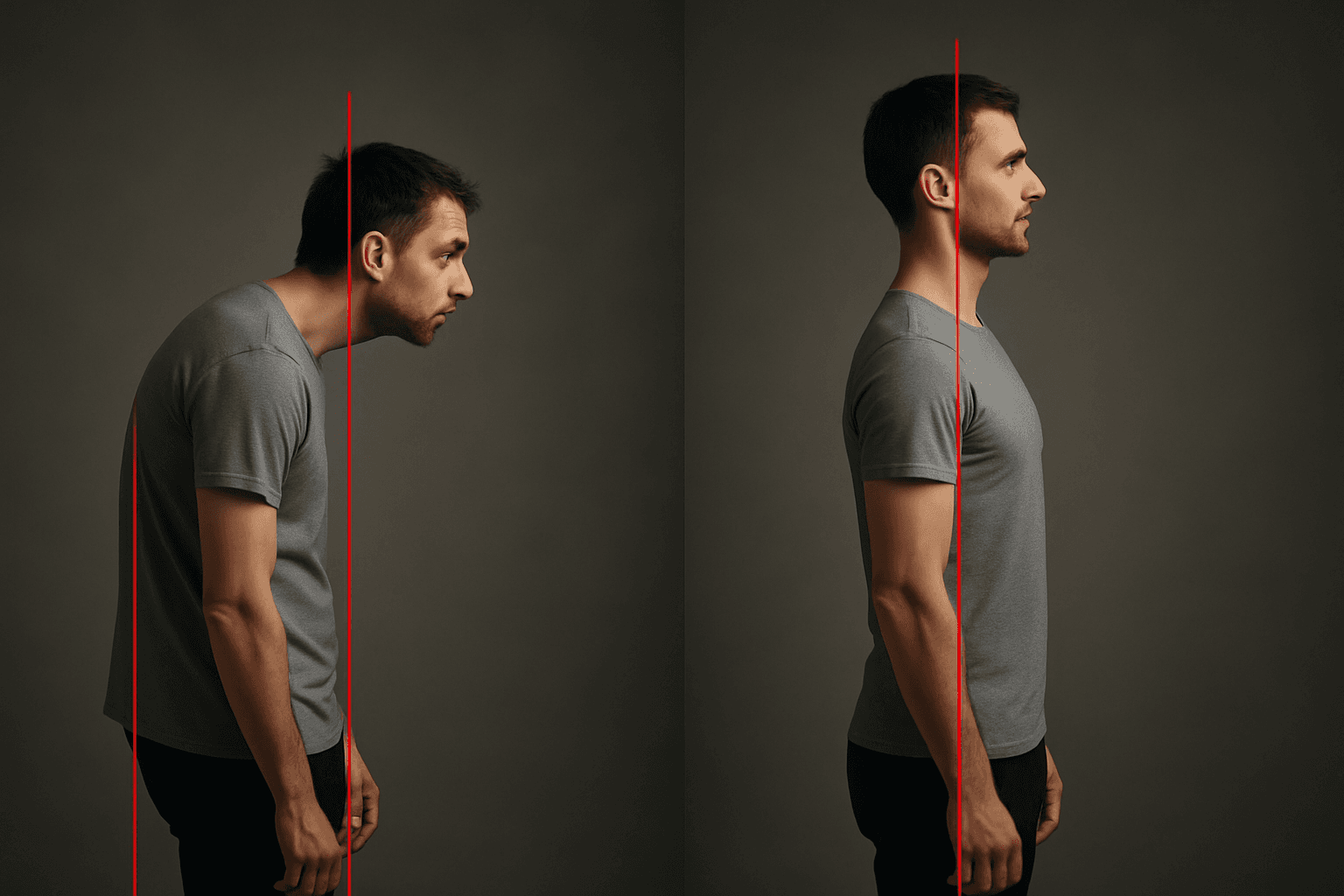
Upper Cross Syndrome: The Pattern Behind Most Neck and Shoulder Pain
Upper cross syndrome is not a diagnosis. It is a postural pattern that describes the precise muscle imbalance behind most chronic neck pain, shoulder impingement, and forward head posture. Here is what it actually is and how to reverse it.
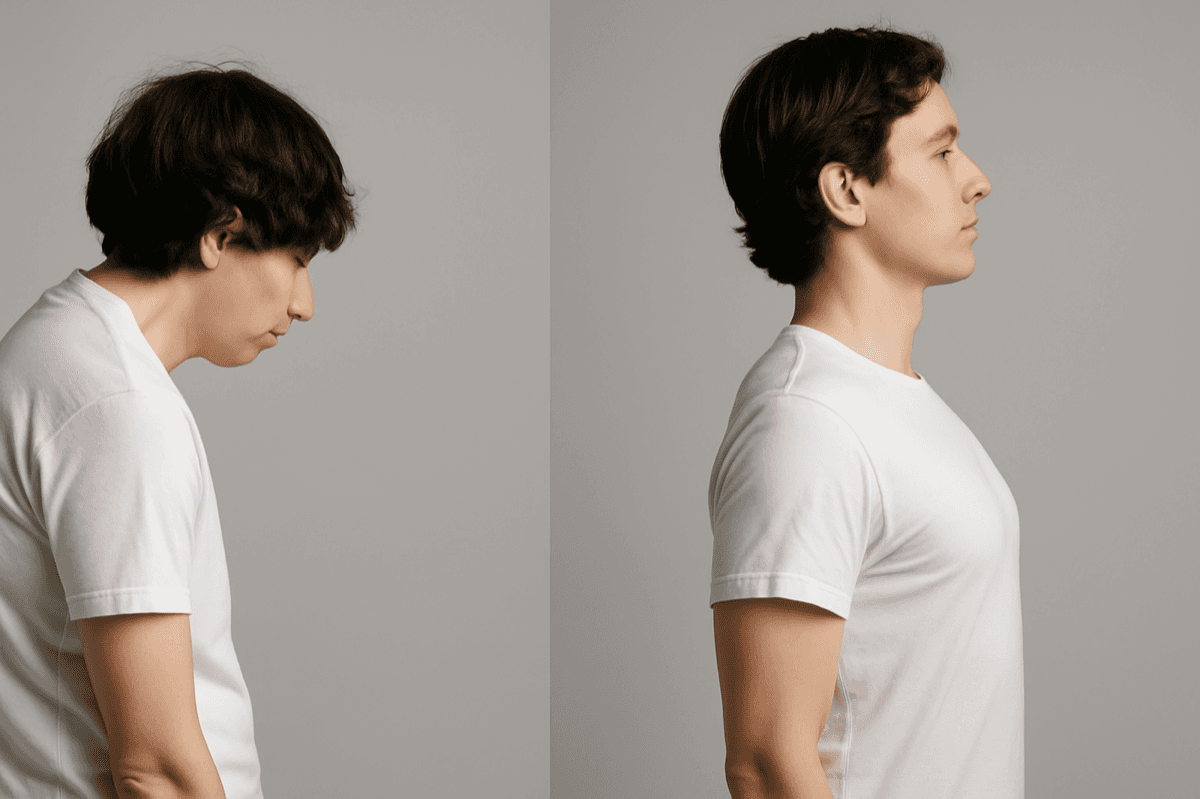
The Breathing-Posture Connection: Why Rounded Shoulders Are Shrinking Your Lung Capacity
The way you breathe is directly determined by the structural position of your thoracic spine and rib cage. Rounded shoulders and thoracic kyphosis do not just cause pain, they mechanically reduce your lung capacity with every breath.

Why Golfers Lose Hip Rotation (And How to Get It Back)
Loss of hip rotation in the golf swing is almost never a swing mechanics problem. It is a hip mobility problem produced by sitting, and it is the structural cause of both power loss and lower back pain in golfers.
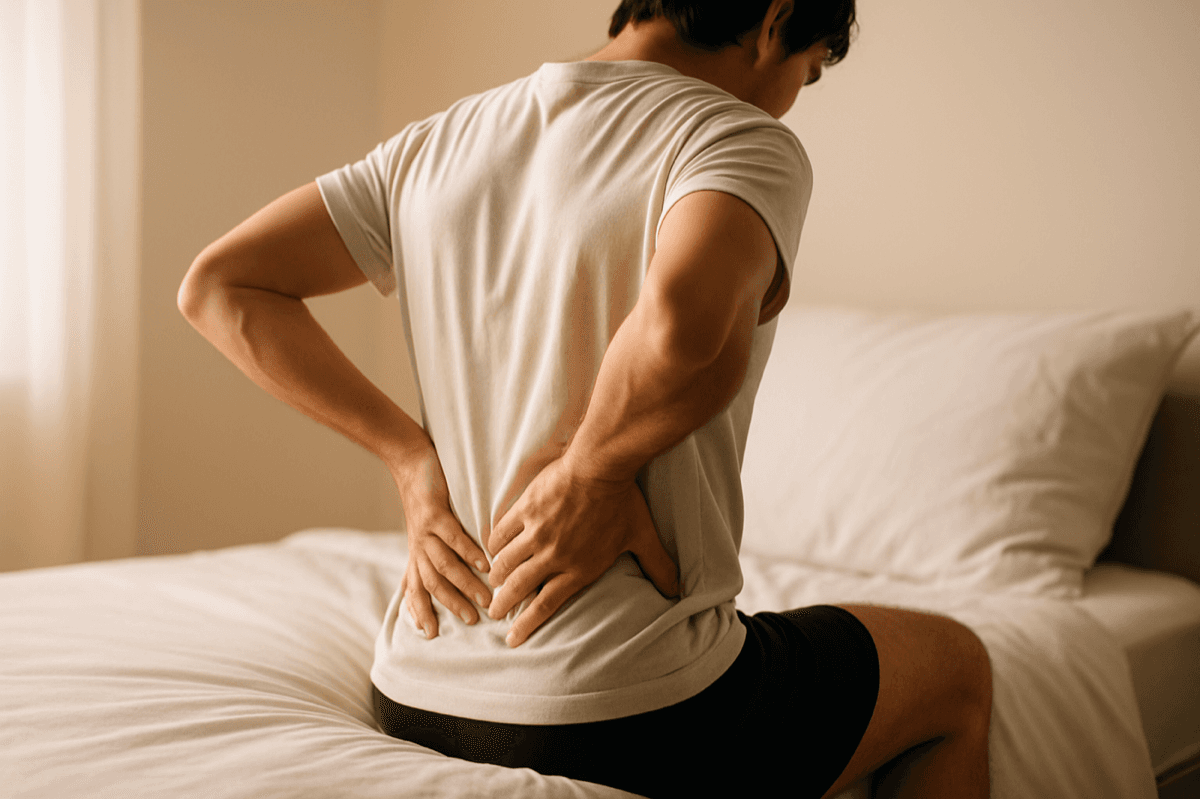
Why You Wake Up Stiff Every Morning (And How to Fix It in 10 Minutes)
Morning stiffness is not inevitable with age. It is what your sleeping position does to a spine that is already structurally compromised from the day before. A 10-minute Egoscue-based morning sequence can change what your body feels like before you start your day.
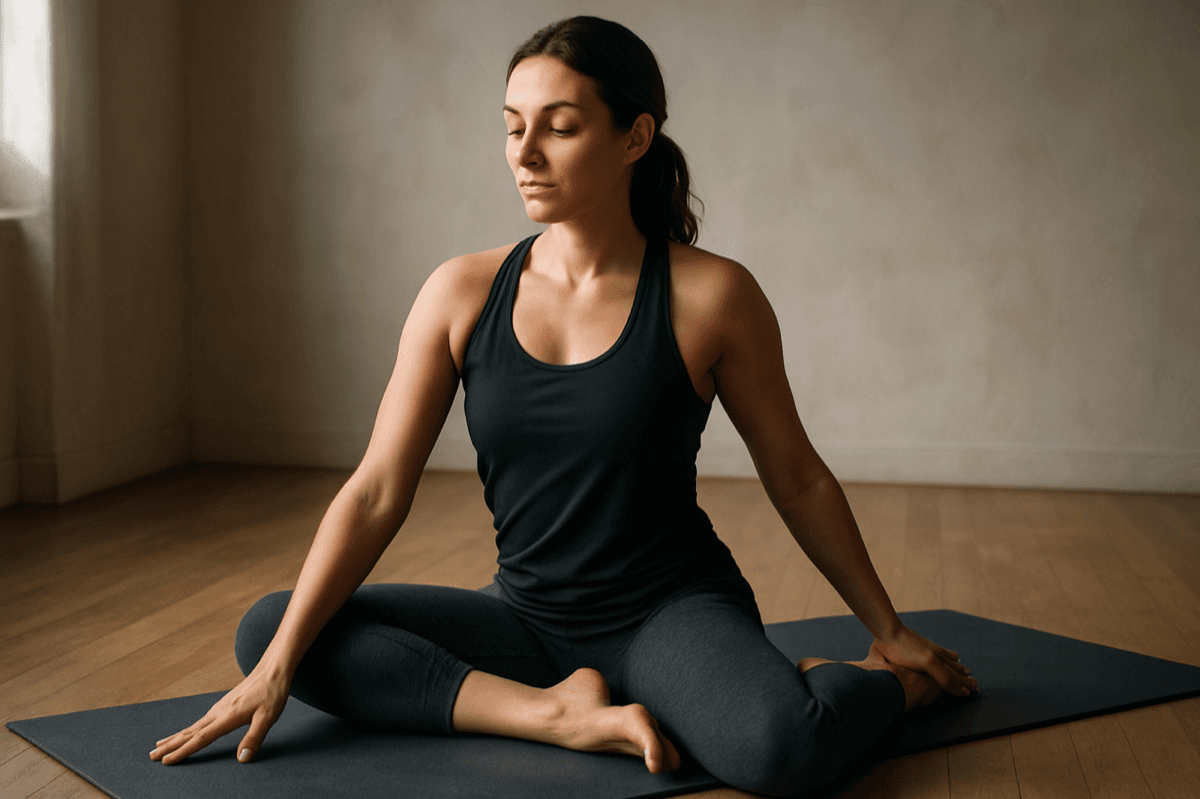
Sciatica Is Not a Back Problem. It's a Hip Problem.
Sciatic nerve pain that radiates from the glute into the leg is almost always caused by a hip alignment problem — specifically, piriformis hypertonicity from glute inhibition and anterior pelvic tilt — not a disc herniation.
Showing 12 of 35 articles